Artificial intelligence (AI) is here, and it’s awesome. There’s no questioning the potential this technology has to revolutionize the way we work. However, lately, I’ve been hearing and reading a lot about AI replacing jobs, expertise, and even human beings in some cases.
While I appreciate the capabilities of generative AI, the suggestion that it might replace the depth of human insight and expertise strikes me as both short-sighted and troubling.
In a recent article, the CEO of Perplexity is quoted as claiming the platform’s browser would be able to replace recruiters and executive assistants in six months. AI can “go and update the Google Sheets, mark the status as ‘responded’ or ‘in progress’ and follow up with those candidates, sync with my Google Calendar, then resolve conflicts and schedule a chat, and then push me a brief ahead of the meeting,” he said.
Can AI scrape calendars, identify open time slots, and resolve scheduling conflicts? Probably.
Can AI scan LinkedIn for qualified candidates? Yes.
Can AI replace the 5,000 things recruiters and executive assistants do each week that require critical thinking, emotional intelligence, empathy, and candor? The unseen conversations, diligence, encouragement, and persistence that keep candidates and companies moving forward?
No, and it never will.
Leading a team also requires unique and honed interpersonal skills, emotional intelligence, confidence, and humility.
The claim is not only insulting to those professions but demonstrates that this particular CEO doesn’t really know what those roles do and doesn’t appreciate them.
I worked with a recruiter during the interview process for my current role as executive director of marketing and branding at William & Mary. Without her, I would not be sitting in the chair I am today — full stop. Her candor, honesty, insight, empathy, advice, and expertise helped me beyond measure to understand the role, the institution, the people, and the place I was considering as my next step. To suggest AI could replace what she did for me is, frankly, outrageous.
Those specific roles aside, human expertise is invaluable to the job of a higher ed marketer. Few departments, outside of IT, field inquiries and requests from colleagues across campus daily. Sometimes, difficult conversations are required if a request does not quite match the priority level of others. Leading a team also requires unique and honed interpersonal skills, emotional intelligence, confidence, and humility. AI can serve as a thought partner and sounding board for these challenges, but it cannot have the conversations or make the decisions that need to be made every day by leaders and employees alike.
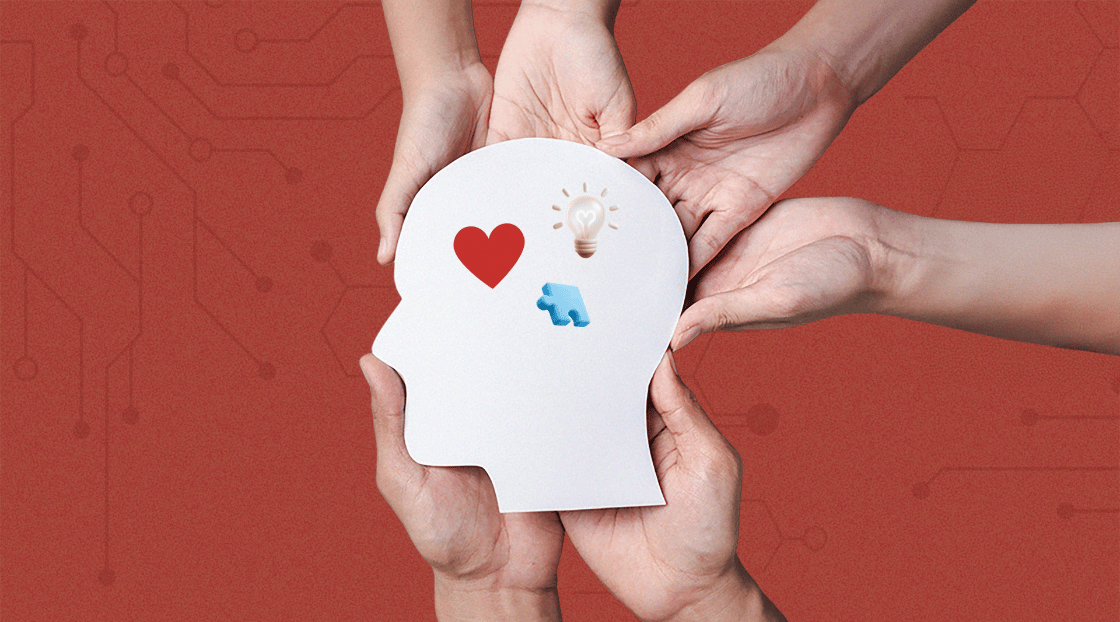
As the world comes to better understand what role AI plays in our daily lives and work, and more and more people rely on AI to supplement or, in some cases, comprise the entirety of their expertise, the most powerful tool employees will have in their toolbox might just become their brain.
“Soft skills” that employers have been referencing for years will replace the ability to create a budget sheet, craft SOPs, or develop data dashboards as required qualifications for roles.
In the age of AI, an interdisciplinary approach to learning takes on new value, and the thinkers and problem solvers in the room will become irreplaceable.
P.S. — It’s still ok to use an em dash.