“Dedicated to excellence.”
“Leaders in innovation.”
“Cutting-edge research opportunities.”
“Abundant student experiences.”
Do any of these phrases sound like they represent your institution?
Prospective students make decisions about universities and colleges based on what they see on social media — scrolling through Instagram for a campus vibe check, getting an idea for a typical day as a student, and comparing unofficial accounts to the official ones. If your content sounds like it was written by a committee, they’ll notice.
So, how can marketing and communications teams avoid the internal jargon that so easily makes its way into public-facing materials? Social listening, a structured study analyzing online conversations about your brand, provides institutions with data needed to join conversations genuinely and in ways that match how your audience is already talking about you. This can inform your messaging to shape better content decisions and build connections.
Listen and Learn
To connect with prospective and current students, you first need to understand them. Social listening surfaces what the audience is interested in, what information will help them, and what they actually care about. That knowledge is the most effective way to ensure that what you are creating is going to be relevant to them. By applying that information to your content, you can also differentiate: whether it’s a space on campus that they haven’t seen yet or something about the area that is an unexpected driver to the campus, taking time to learn from the audience is a crucial step to crafting a powerful content strategy.
Social listening can be conducted through specialized software or on social media platforms directly. If you have a software to conduct listening, you can set up searches for certain phrases and keywords across all platforms. This can be done organically on platforms as well — and even with software, it is still helpful to conduct manual keyword searches on relevant platforms to gain insights. Listening is often associated with tuning in for conversations of concern, and while it is integral for that type of monitoring, it should be regularly conducted to learn about general topics of interest, questions that audience members have and potential positive interactions with communities. A few helpful tips to keep in mind with social listening:
- Know your communities and where they are active. There are different audiences on different social media platforms. Spend time researching who is following you on which platforms and take time to understand what their relationship to the institution is so you can tailor content for each.
- Track mentions, tags, replies and conversations. This is the best way to see how people are talking to and about the college. There are also going to be platforms where your institution is not active but there are helpful insights to gain.
Use these efforts to determine what students care about — what brings them joy about their time on campus and what is irritating them. The aspects of the student experience that are bringing happiness should be a pillar in a content strategy. The ones that are frustrating can help with reframing. In general, center your stories around the topics that come from listening.
When communities see the topics they care about being shared, they pay attention.
This is also where you can see the trends that are resonating, the jokes students are making and how students are learning from each other and choosing to connect. Incorporating some of these topics into your strategy can make your school stand out. At the University of Michigan, we gain many insights into what we can do to be relevant through our daily listening efforts. It informs our trending videos and educational posts for all of our audiences.
Leading up to the fall semester in 2025, we noticed incoming students asking how to prepare for moving into the dorms. In response, we developed a series of posts starting with what to pack before heading to campus to answer those questions. To make it more student-focused, we had a current student create the videos herself.
@uofmichigan In the first episode of UMich 101, Lily explains what every Wolverine needs to pack for their dorm room! 📦 #UofM #UMich #Michigan #DormRoom #CollegeLife ♬ Cozy Day (Lofi) – The Machinist Beats
We also shifted how we cover student events: instead of recaps that simply show the event, we started sending students there to participate and interview others. This became a series throughout the academic year and students enjoyed the unedited nature of these videos.
Audience-Centered Approach
After learning what your audience cares about, you can craft content on topics that you will know will resonate with them. Audience-centered communications strategies like these focus on what communities are interested in. It’s about designing posts for your community rather than taking developed pieces and simply sharing them.
Leading with the audience creates a foundation for an impactful communications strategy, with content that is likely to connect and break through the noise because it will be developed with them in mind. Communication that is tailored and aligns with the preferences of audiences is more likely to catch their attention, and at a time when stopping someone’s scroll is increasingly challenging, that is a big win.
Some tips for creating audience-centered communications strategies:
- Use the information gathered on each audience to determine the most effective content topics to share. Tailor the format and message. The content will demonstrate an understanding of the audience and drive more engagement opportunities.
- Pay attention to the content styles that audiences prefer on platforms to convey messaging. For example, videos might not always be the best option for some messages.
- Leverage the listening for trending topics as well as educational posts to build relationships with audiences. Showing a variety of content, like a mix of authentic student experiences and informative posts on Instagram, keeps the account focused on what the audience is likely interested in and geared toward answering the questions that they are asking based on listening.
Reach Even Further
The insights you gain from social listening doesn’t have to stay just in your social media workflow. The same audience data can be used to update webpages for prospective students, shape messaging to parents, inform alumni communications, and more.
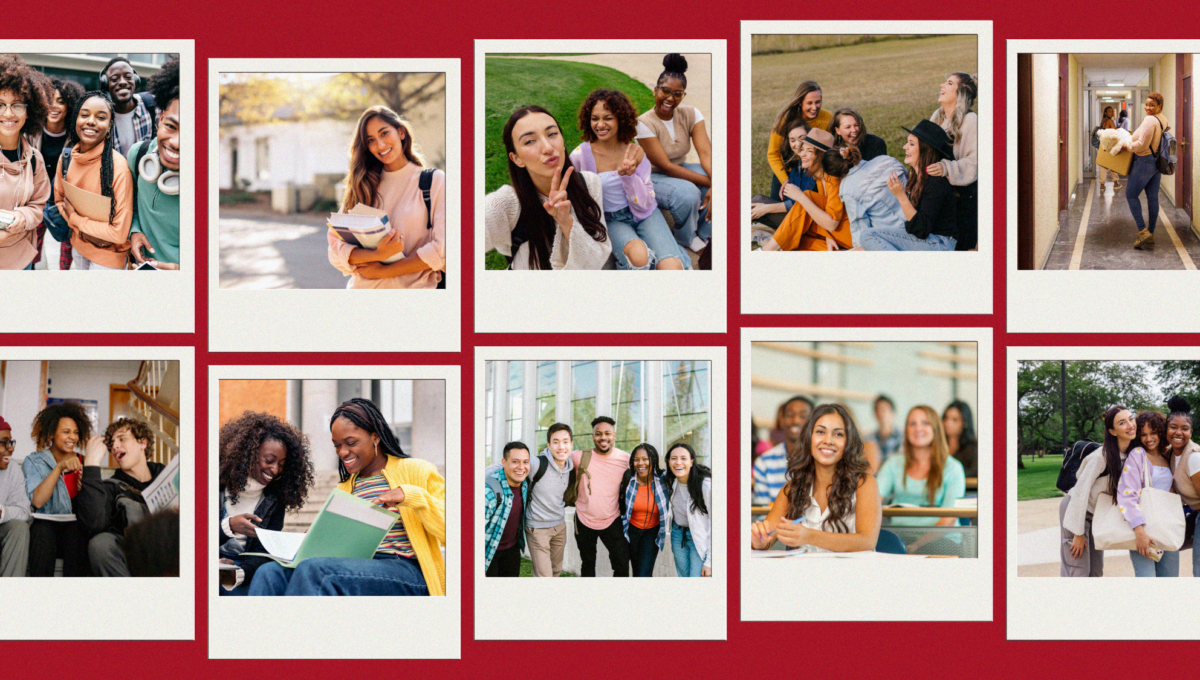
As the University of Michigan prepared to roll out our “Look to Michigan” strategic vision campaign, one of the popular social media activations we used to connect with students ultimately influenced its visual look. We’d been using Instax cameras to engage students on campus and in our social feeds for about a year — dorm mood boards and showing Wolverines capturing core moments. The campaign used the photo style, allowing us to seamlessly integrate in the university’s strategic vision messaging to students and build additional connections from the moments students were moving in through fall events.
The institutions that stand out aren’t the ones with the biggest budgets or the most platforms. They’re the ones that show up knowing something specific about the people they’re talking to. Start there, and the content takes care of itself.